
Long-termism Leads the Future of Living — LiBai Design’s Curated Residential Experience Space Opens
On September 21, the “Design Thinking and Practice of Long-Term Sustainability” forum, hosted by the leading domestic interior design brand Libai Design and co-organized by Red Star Macalline, was grandly held at the Red Star Macalline Global Furniture Store No.1 in Beijing.
The event also unveiled the 2,000㎡ "Libai Hometrip – Curated Living Experience Space," themed around “Design Thinking and Practice of Long-Term Sustainability,” gathering industry leaders, design experts, and representatives from the industrial chain to explore new sustainable development paths for the home furnishing industry. Nearly a thousand industry professionals and design enthusiasts attended and participated.
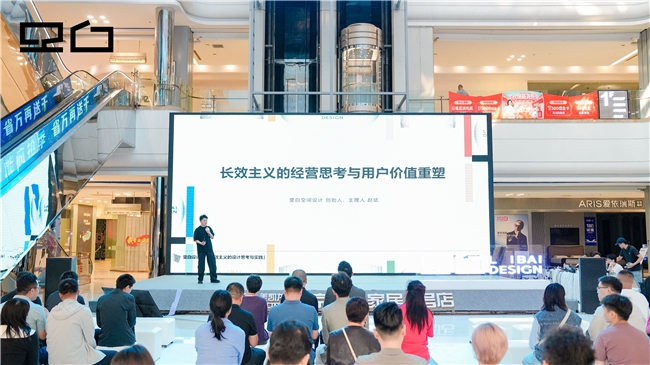
▲Forum scene
According to reports, this forum focused on common pain points in the home renovation industry, such as “over-design” and “short-lived renovations.” The aim was to shift the design philosophy from pursuing immediate visual effects to focusing on long-term usage value.In his opening speech titled "Long-Term Sustainability: Defining the Next Decade of Human Habitat Design," Libai Design founder and principal Zhao Bin pointed out that consumers today face the dilemma of "spending a lot yet failing to secure truly durable living environments."
“When the industry falls into price wars and internal competition, we should return to the essence: What is truly a good design that stands the test of time?” Zhao Bin, starting from the fundamental logic of architecture, suggested that long-term sustainable design should transcend style trends, focusing on spatial flexibility, material durability, and functional adaptability, thus providing consumers with sustainable living solutions.
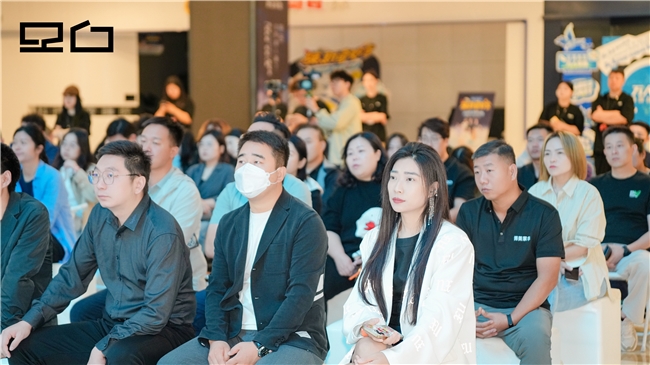
▲Forum scene
Libai Design partner Zu Teng emphasized when explaining the company’s mission: “Respecting the user is the core of long-term sustainable design. We are committed to creating truly well-designed homes that meet customer needs, avoiding meaningless self-expression.”He believes that technological applications should serve to enhance the long-term quality of spaces and create an ideal environment that makes life more comfortable for the residents.
He Lei, General Manager of Red Star Macalline Beijing Global Furniture Store No.1, shared the symbiotic approach in the home furnishing industry from a commercial ecological perspective. He pointed out: “The value of individual products lies in the ecosystem created through the integration of people, products, and places.” Long-term sustainability requires coordination across the entire supply chain. Only by connecting design, manufacturing, sales, and service processes can we achieve true long-term value.
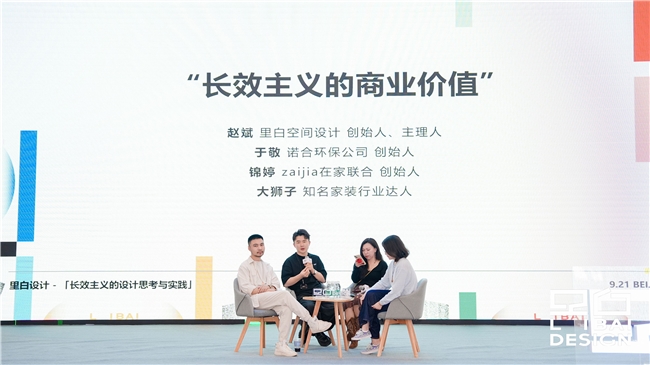
▲Roundtable discussion session, where guests discuss the path of implementing long-term sustainability
During the roundtable discussion, Zhao Bin, as the forum initiator, had an in-depth conversation with guests such as Yu Jing, founder of Nuohui Environmental Protection Company, Jin Ting, co-founder of Zaijia Home, and the well-known home renovation industry expert Da Shizi, discussing the “commercial practices and user value of long-term sustainability.”
The roundtable discussion focused on key industry topics such as material sustainability, balancing short-term and long-term needs, and how to maintain user value in the new marketing environment. All attendees agreed that paying for long-term sustainable design is essentially an investment in future time freedom and emotional well-being.
The “Libai Hometrip – Curated Living Experience Space,” which opened the same day, became another highlight of the event.
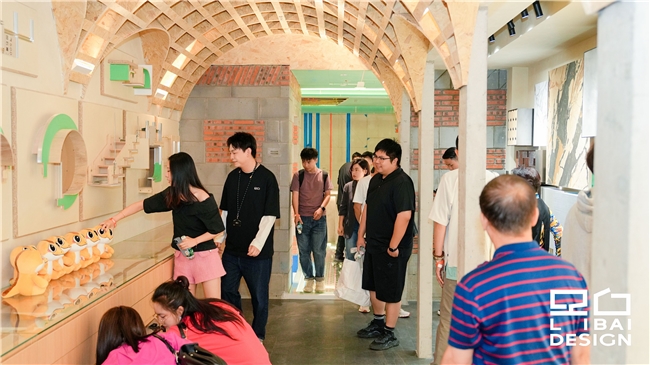
▲Inside the experience space, visitors immerse themselves in the charm of long-term sustainable design.
This experience space spans 2,000㎡ and is curated around the concept of “de-beautification and tangible realism,” creating 8 complete real-life spaces that reflect daily living. It fully demonstrates the innovative practices of long-term sustainable design in aspects such as traffic flow planning, storage systems, material selection, and environmental sustainability.
It is reported that the experience space abandons the traditional approach of showroom-style spaces that prioritize instant effects, instead delving deeply into users’ living needs. It features 8 real homes, restored 1:1, and plans to evolve over time through re-staging, providing a deeper view of real-life home scenes. Visitors can experience the real mode of living in different periods.
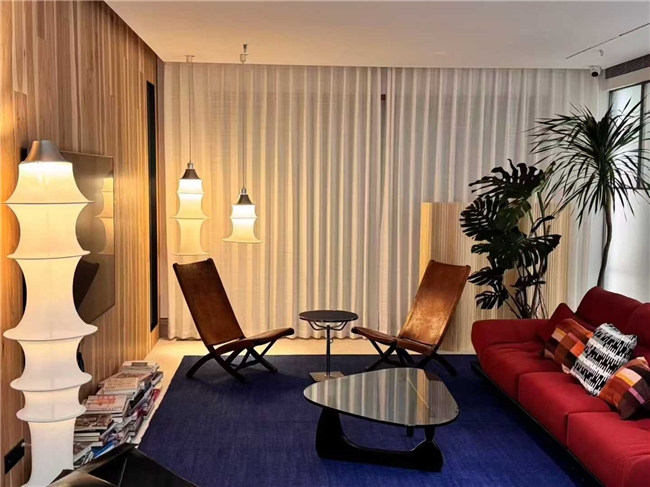
▲Interior scene of the experience center
The space uses time-tested materials, flexible and adaptable layout systems, and efficient storage solutions. Visitors can touch the materials that remain durable over time, experience smooth and efficient life flow, and directly feel how the “super-efficient” storage system solves everyday clutter.
This tangible and immersive display method made the concept of “long-term sustainability” tangible, perceptible, and touchable, receiving high praise from attending guests.
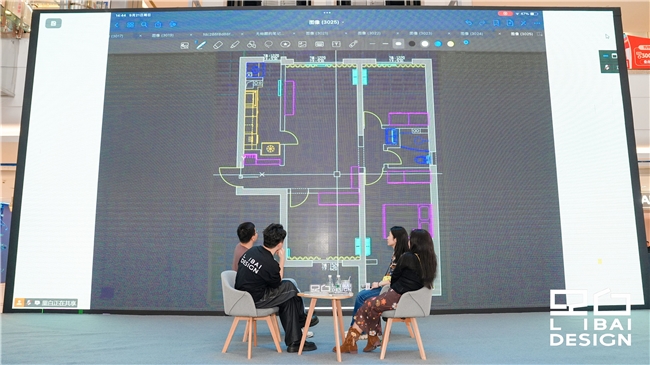
At the event, Libai's main design team also held a special forum on soft furnishings and crafts, providing homeowners with cutting-edge renovation trend analysis and 1v1 deep consultations. By using hand-drawn illustrations, budget planning, and other methods, they offered personalized solutions and transformed the long-term sustainability design philosophy from theory to practical implementation.
According to publicly available information, Libai Space Design Studio was founded in 2013, focusing on the renovation design of residential spaces, guesthouses, and hotels. The firm is dedicated to exploring more possibilities within the client’s budget, achieving a perfect blend of style and practicality.
Industry comments suggest that the opening of this forum and the “Libai Hometrip – Curated Living Experience Space” marks a shift in the home furnishing industry from a marketing-driven pursuit of short-term effects to a high-quality development phase focused on long-term usage value and real consumer needs. This shift reflects not only progress in design philosophy but also signals a dual transformation in the industry and consumer upgrades.
It is reported that Libai Design will continue to promote the concept of long-term sustainability design through the newly opened living experience space, contributing to the new sustainable development phase of China’s home furnishing industry.